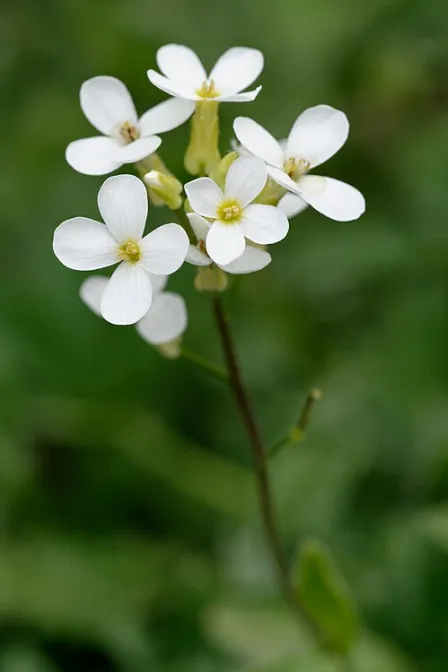
How do stressed-out plants decide when to flower?
A new study by researchers including Xuehua Zhong discovered how epigenetics helps plants bloom when nutrients run low.
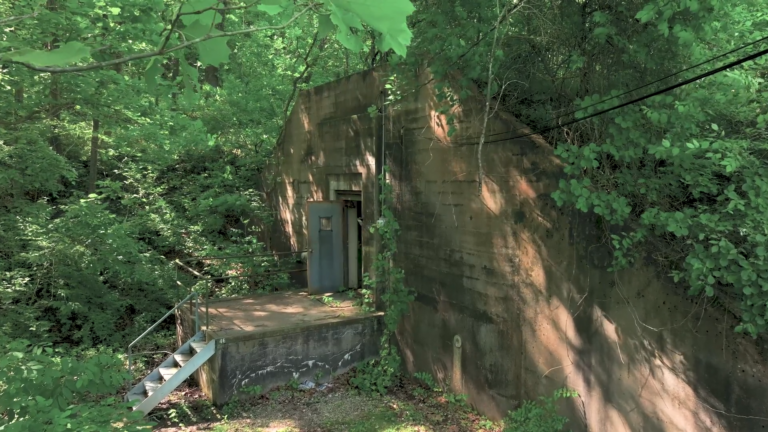
The secrets of bunker 46
Inside a World War II-era bunker at Tyson Research Center, preserved birds, handwritten logs and mold-covered artifacts tell a story of science, stewardship and changing times.
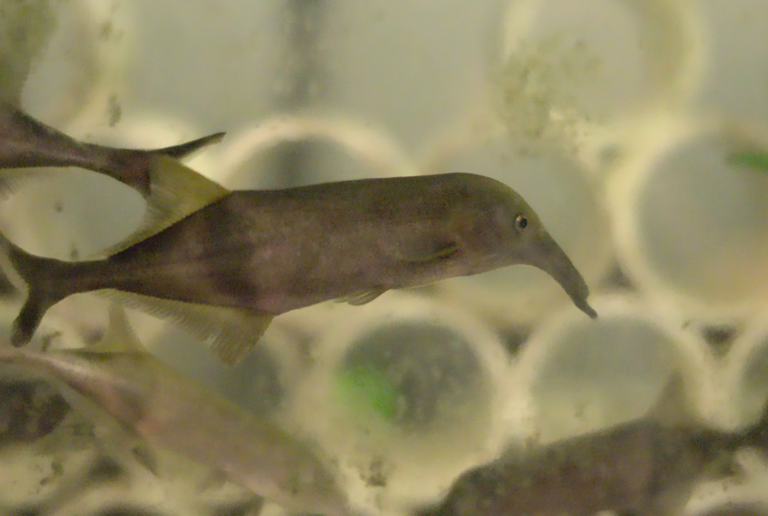
New research reveals how brains update their predictions
Neuroscience research can help uncover mechanisms that afflict human sensory processing and prediction.

Provost announces leadership transitions
Several faculty members have been appointed to new leadership positions in the Office of the Provost at WashU, effective by July 1, Provost Mark West announced.
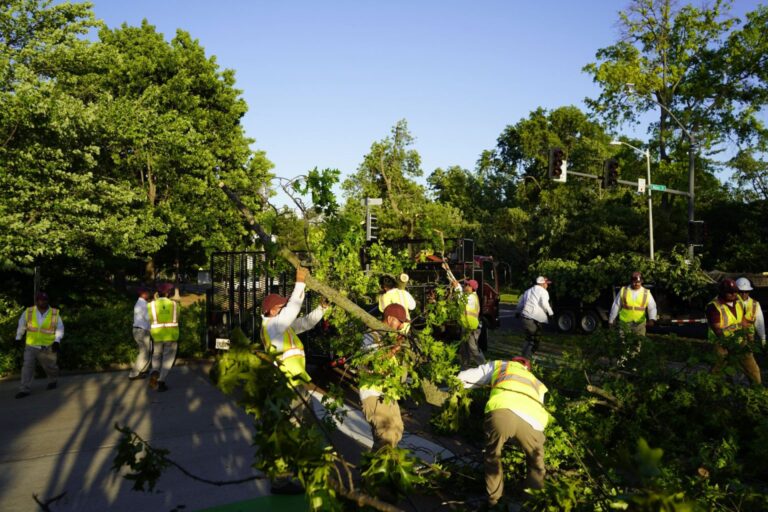
WashU Arboretum: A year after the tornado
The WashU Arboretum has fielded many questions this year about how the tornado impacted Danforth Campus trees.
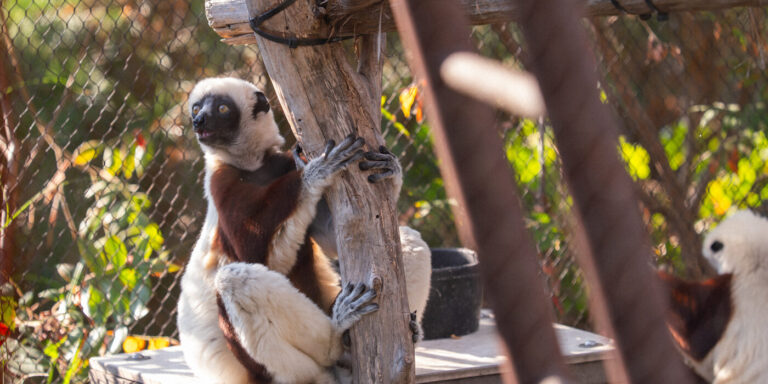
New initiative launches to save primates, transform global conservation approaches
An ambitious new project will catalyze conservation efforts for critically endangered primates and deploy scalable tools to transform how biodiversity is documented, modeled and protected worldwide.
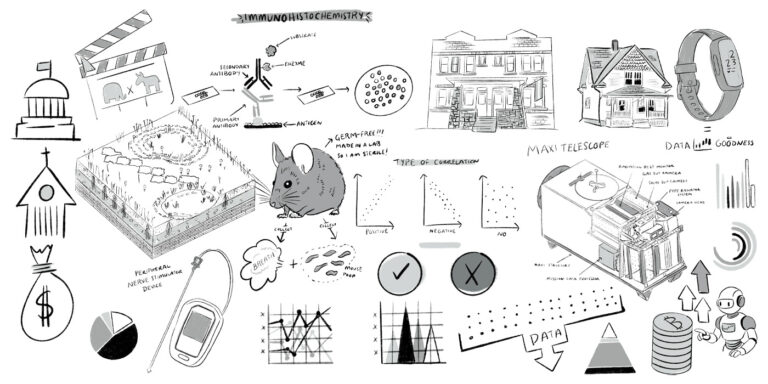
The Class of 2026: Student researchers create knowledge, communicate purpose
WashU Class Acts spotlights some of the Class of 2026 graduates who have engaged in meaningful research during their years at WashU.
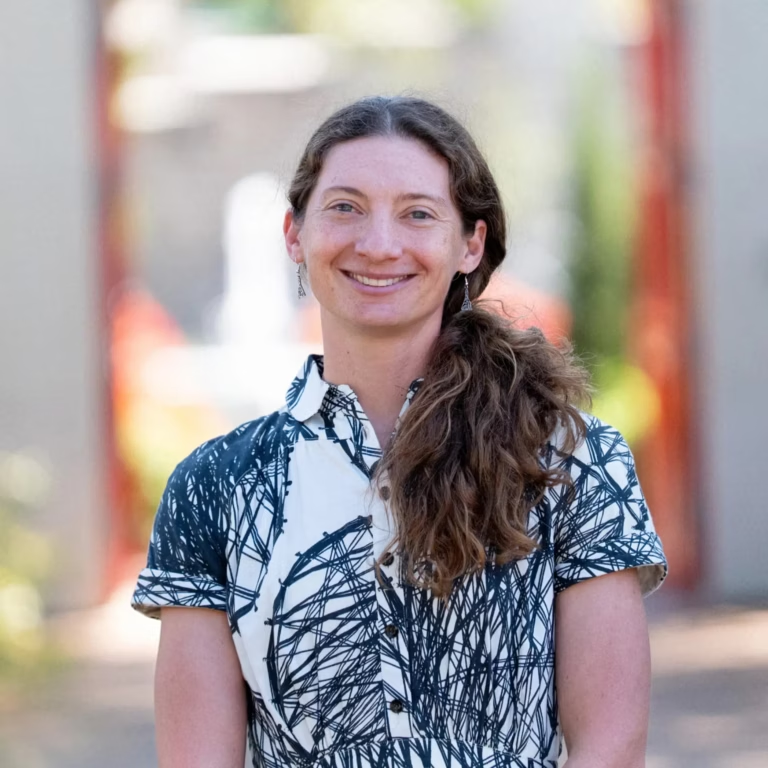
Washington People: Rachel Penczykowski
Ecologist studies plant diseases, environmental changes
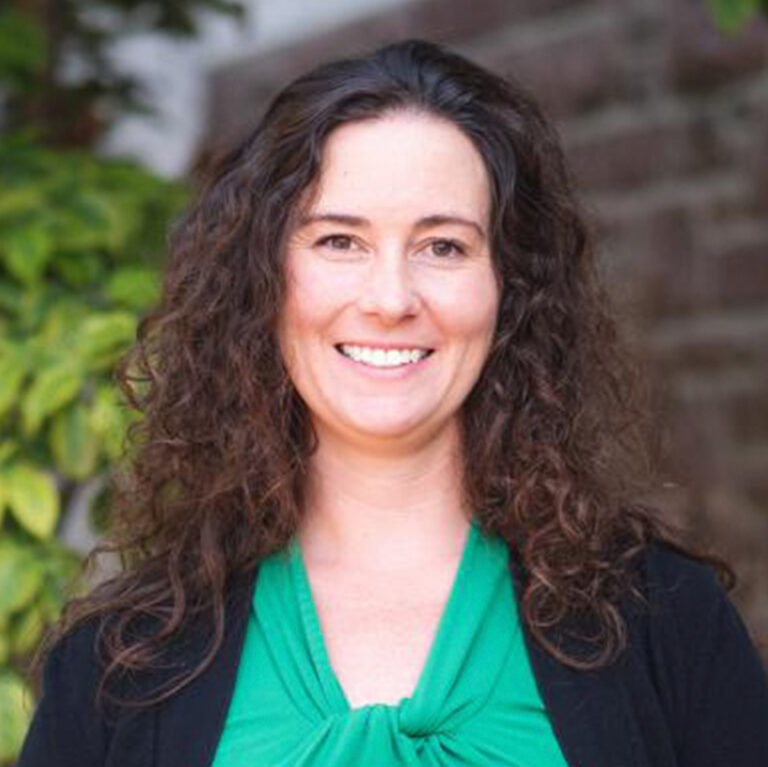
Natalie Mueller receives early-career award including $250,000 unrestricted funding
Mueller’s research on “lost crops” and ancient agricultural systems could help shape more resilient food practices in a changing climate.

Midwestern Climate Collaborative receives 2026 AASHE sustainability award
The Association for the Advancement of Sustainability in Higher Education (AASHE) recently gave the Midwest Climate Collaborative (MCC) a 2026 Campus Sustainability Achievement Award, one of its highest honors.