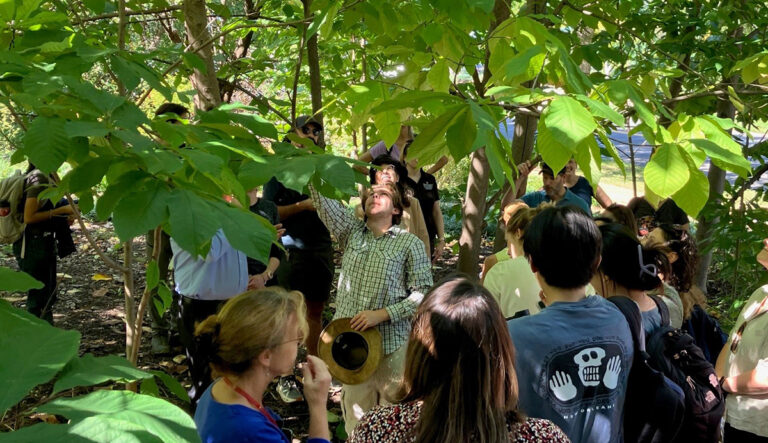
WashU Arboretum holds free tours and events
Open to the public, the tours spotlight iconic trees, fall colors and campus biodiversity
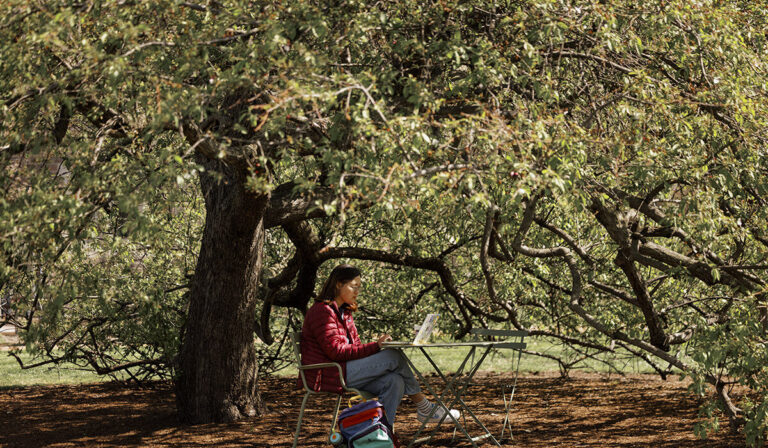
Wild crabapples have genetic potential to improve domestic varieties
Apple varieties have much to gain from traits found in their wild cousins
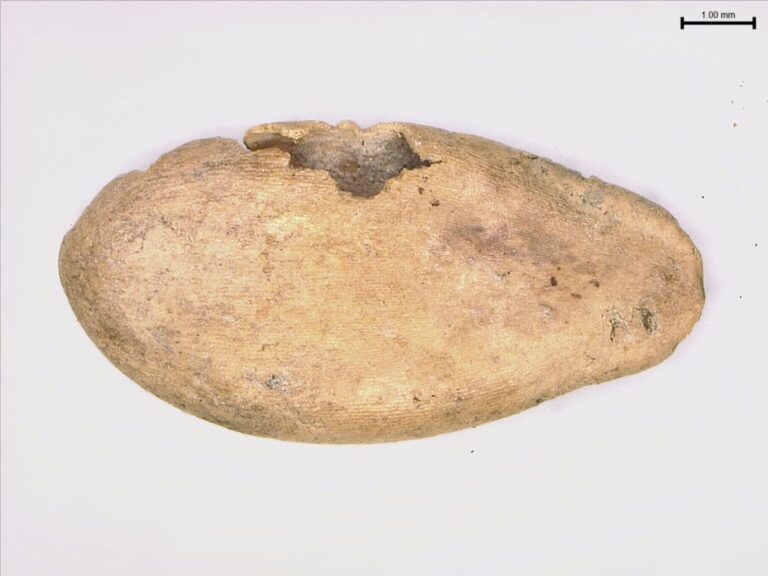
Waterlogged seeds reveal melons’ ancient journey
DNA in seeds recovered from Chinese port help trace origins of symbolic fruit
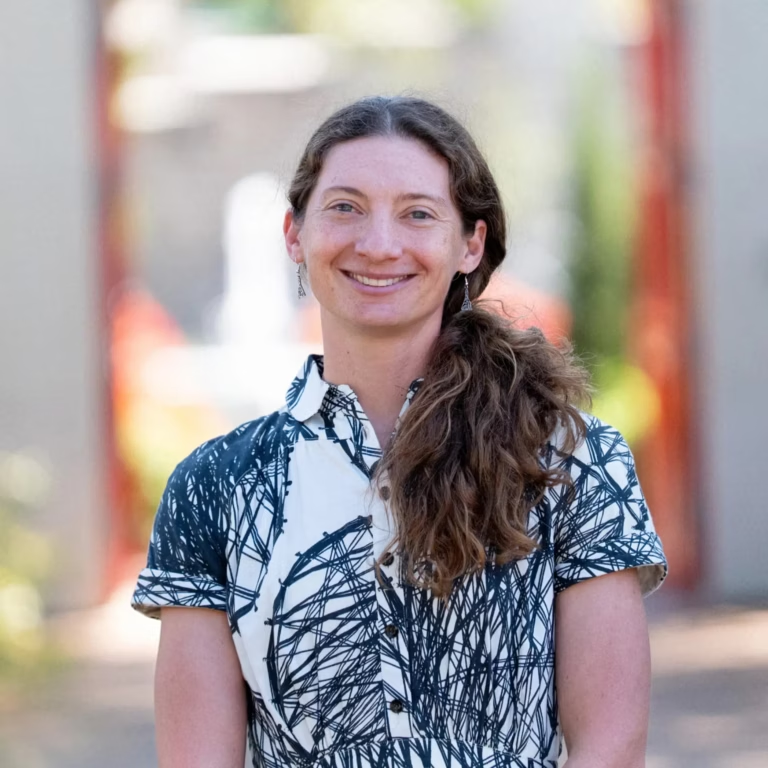
Plant Disease Ecology in the Penczykowski Lab
Penczykowski Lab’s Plant Disease team featured in Philosophical Transactions of the Royal Society B
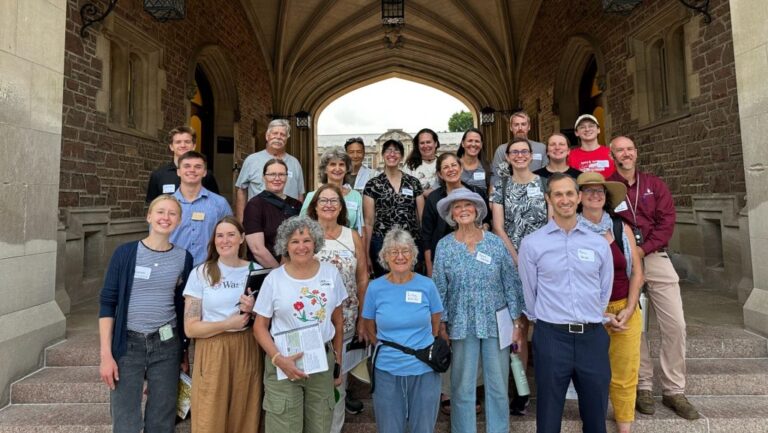
WashU Arboretum welcomes its inaugural class of docents
The WashU Arboretum held its inaugural docent training, bringing together a wide variety of individuals to support future outreach and educational programming.
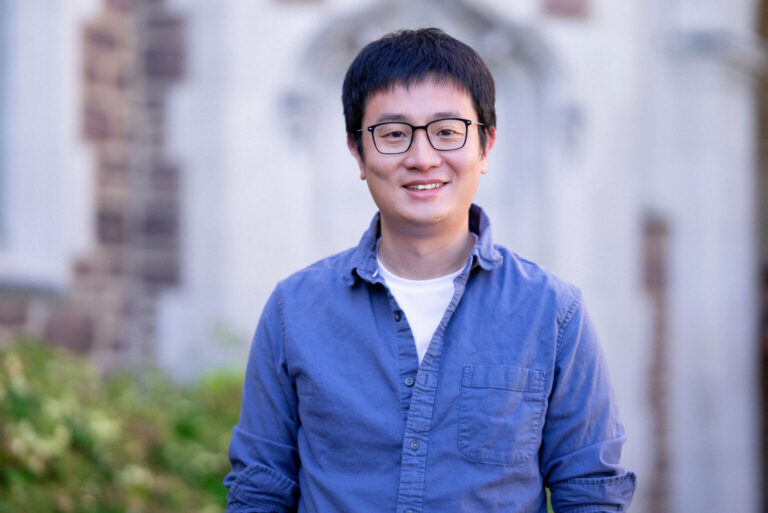
Silkworm cultivation predated the Silk Road in southern Central Asia
Silk production skills reached Central Asia as early as 4,000 years ago, long before start of Silk Road trading route, WashU research finds
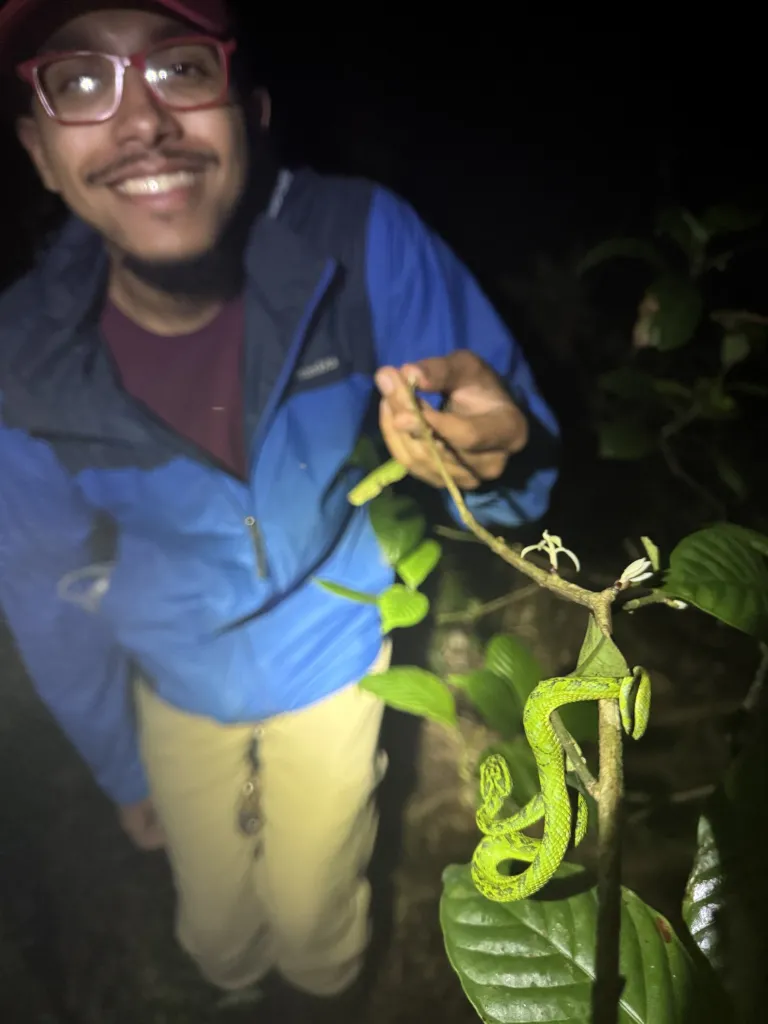
What I learned following a mentor into the jungle
Guided by graduate student Tasman Ezra, a WashU undergraduate turns classroom skills into field research and gains a deeper understanding of what it means to be a scientist.
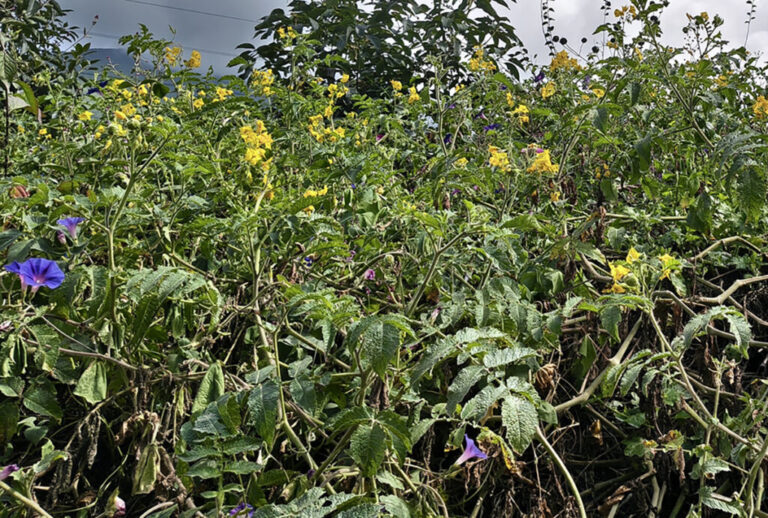
Lessons from the wild
WashU plant scientists gather research to understand how wild plants handle shifting disease threats, conditions
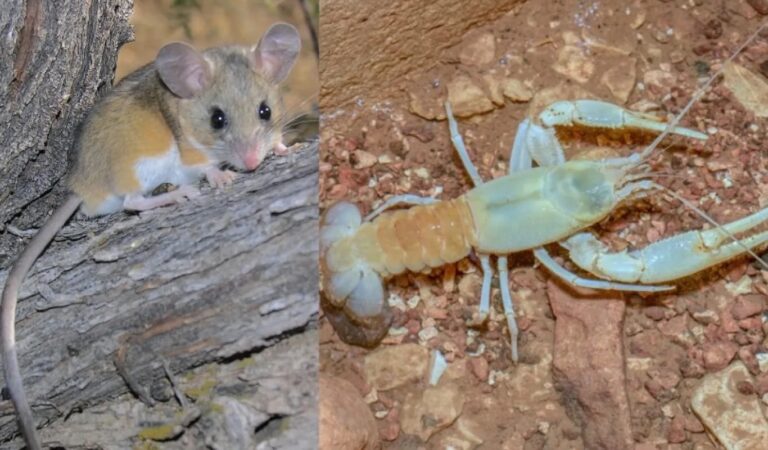
What mice and crayfish can teach us about evolution
Mice and crayfish are very different animals, but studying them is helping biologist Andreas Kautt, in WashU Arts & Sciences, uncover the genetic changes that help species adapt.
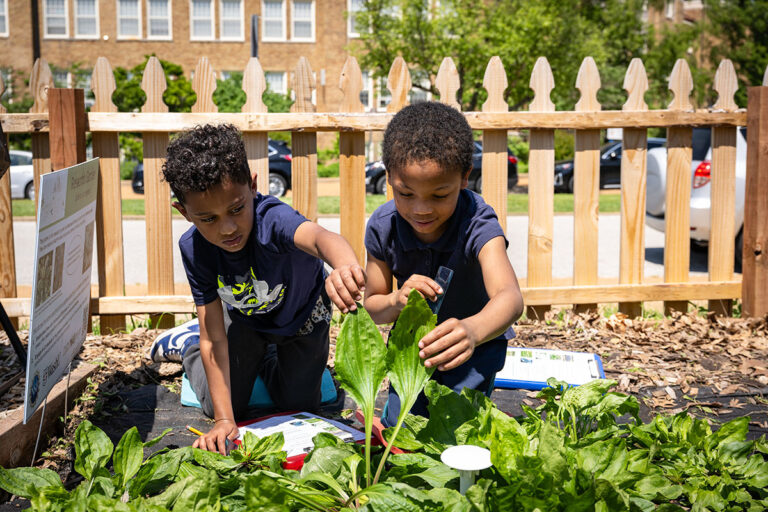
‘Plants get sick!’: WashU scientists, U. City students research plants together
For years, Penczykowski and her team of plant scientists have been studying the environmental factors that contribute to the spread of powdery mildew.