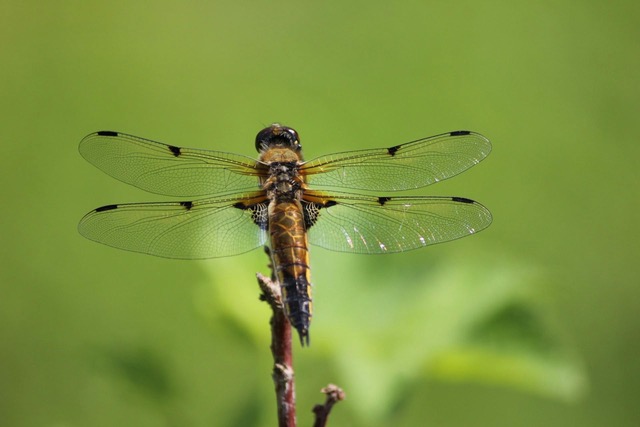
Ornamented dragonflies better equipped to survive human threats
A study by Kim Medley and others found that dragonflies with dark wing markings have a lower risk of extinction.
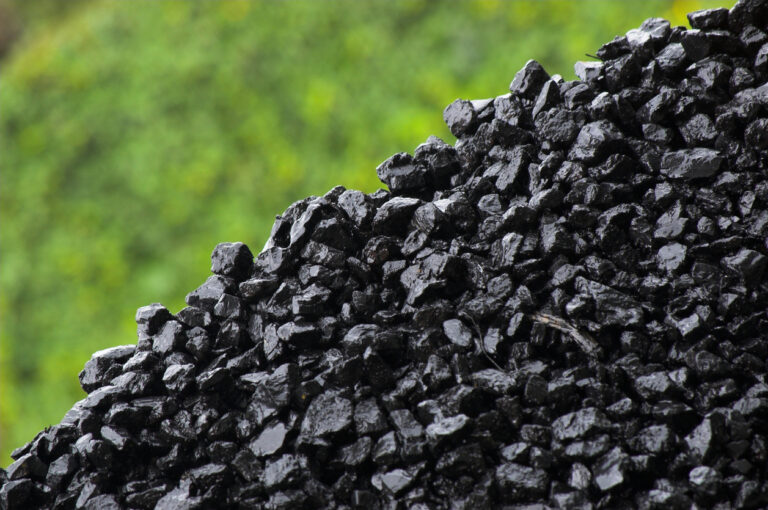
Sustainable technology to extract critical materials from coal-based resources
Young-Shin Jun to develop novel technology to extract, recover and enrich rare earth elements from coal-based resources.
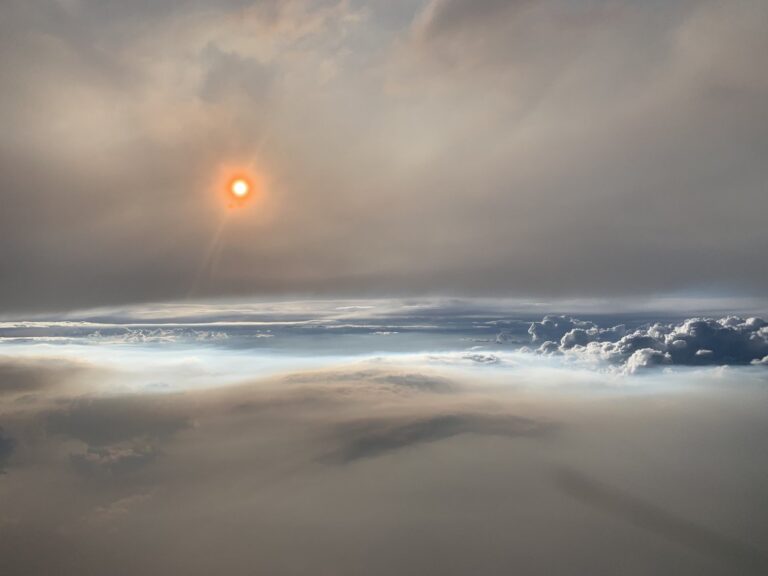
WashU researchers quantify solar absorption by black carbon in fire clouds
New findings from Chakrabarty lab will help make climate models more accurate as massive wildfires become more common.
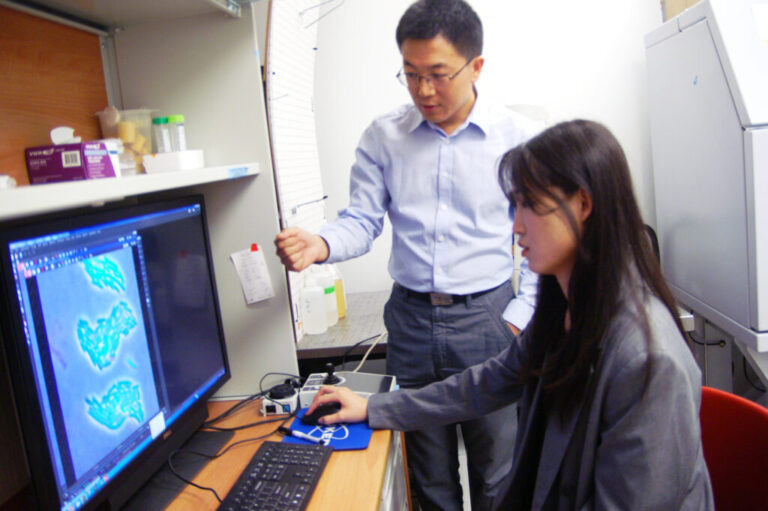
Fluctuating cellular energy drives microbial bioproduction
Fuzhong Zhang’s lab explores Adenosine-5’-triphosphate (ATP)’s role in biomanufacturing.

Scientists find new way global air churn makes particles
Researchers at Washington University in St. Louis have discovered a new mechanism by which particles are formed around the globe, often high up in the troposphere.
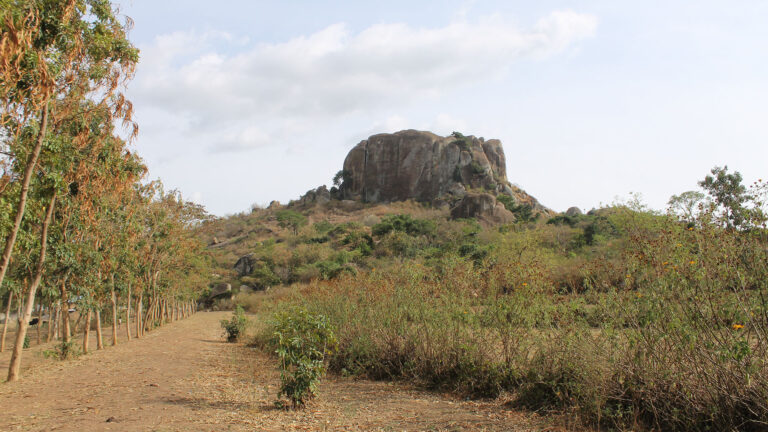
Archaeologists report earliest evidence for plant farming in east Africa
WashU archaeologist Natalie Mueller and her collaborators have uncovered the earliest evidence for plant farming in east Africa.
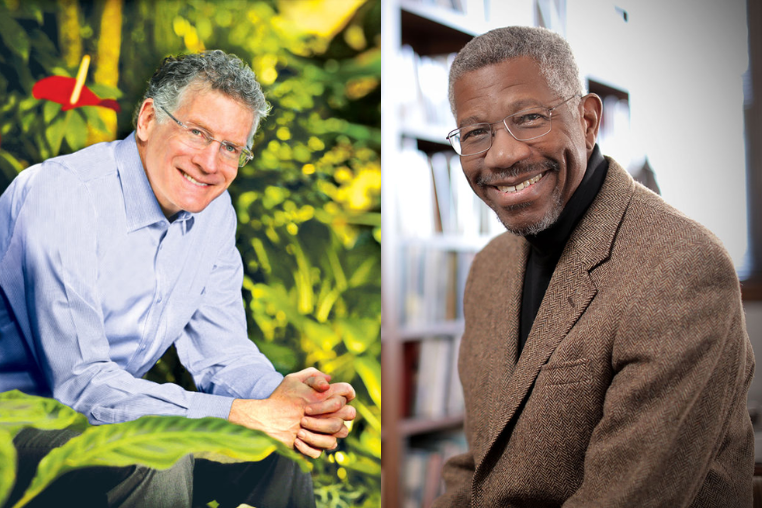
Early, Losos elected members of American Philosophical Society
Gerald Early, professor in Arts & Sciences, and Jonathan B. Losos, professor in Arts & Sciences, director of the Living Earth Collaborative, and director for biodiversity at the Center, have been elected members of the American Philosophical Society.
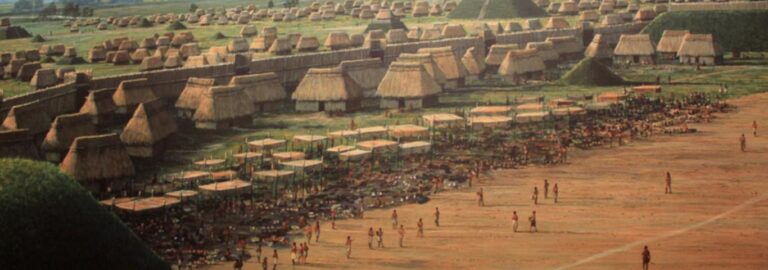
New study adds to mystery of Cahokia exodus
Assistant Professor Natalie Mueller and Caitlin Rankin, PhD ’20, dig into Cahokia’s history to cast doubt on a popular theory about why the ancient city was abandoned.
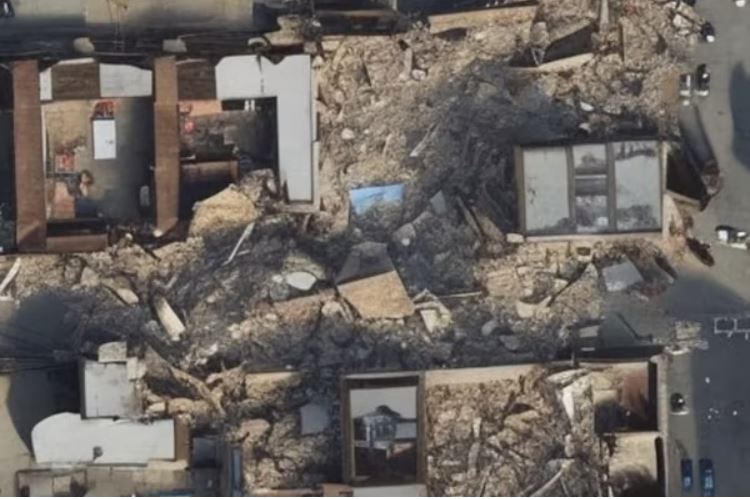
Artificial intelligence meets cartography
Graduate students in Nathan Jacobs’ lab presented mapping tools to create satellite images from text prompts at EarthVision 2024.
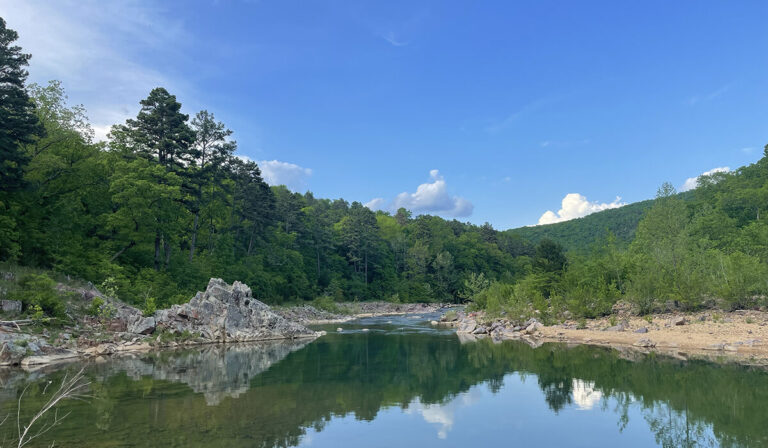
Top picks for summer hikes
Student leaders say the region boasts plenty of natural beauty and share their favorite natural spots in the St. Louis region.