Research Focus
Recognizing the growing impact of climate change on community health and resilience, this project seeks to assess and understand the public health and environmental implications of local climate adaptation efforts. A key part of the initiative is a three-day interdisciplinary workshop that will bring together residents, community leaders, government officials, nonprofit organizations, researchers, and practitioners. Through collaborative discussion and structured activities, participants will:
- Identify key climate resilience priorities related to housing, infrastructure, and environmental exposures
- Define metrics to evaluate the health and environmental co-benefits of adaptation strategies
- Explore approaches to reduce climate-related risks and inform future intervention design
Students will contribute to planning and organizing the workshop, conducting a literature review on climate resilience, housing, and environmental health frameworks, and helping to draft a manuscript summarizing workshop findings and insights.
This experience offers an opportunity to work closely with faculty and community partners at the intersection of climate change, environmental health, and implementation science, helping to shape future research and policy directions.
Skills, Techniques, Methods
Due to the multidisciplinary nature of this project, RAs will be paired with sub-research groups based on research interests and needs. Learning skills will range from data and spatial analysis to visualization and data modeling. This study adopts a mixed-methods, community-engaged approach.
Your role may include:
- Contributing to data organization and reporting, including summaries for manuscripts and presentations
- Conducting literature reviews on climate resilience, environmental health, and ongoing community adaptations and interventions
- Supporting qualitative and quantitative data collection and analysis, including survey design, coding, and synthesis
- Assisting with spatial and data visualization
- Helping to plan and coordinate symposium activities, including agenda design, participant communication, and documentation
- Engaging with community partners and stakeholders through interviews, workshops, and collaborative discussions
Research Conditions
Students should be prepared for a combination of fieldwork and office-based research throughout the summer. This means they may need to spend time gathering data, conducting research in the field, and analyzing and processing that data in an office setting. To make the most of their summer research experience, students must be flexible and adaptable to different research conditions and environments.
Team Structure and Opportunities
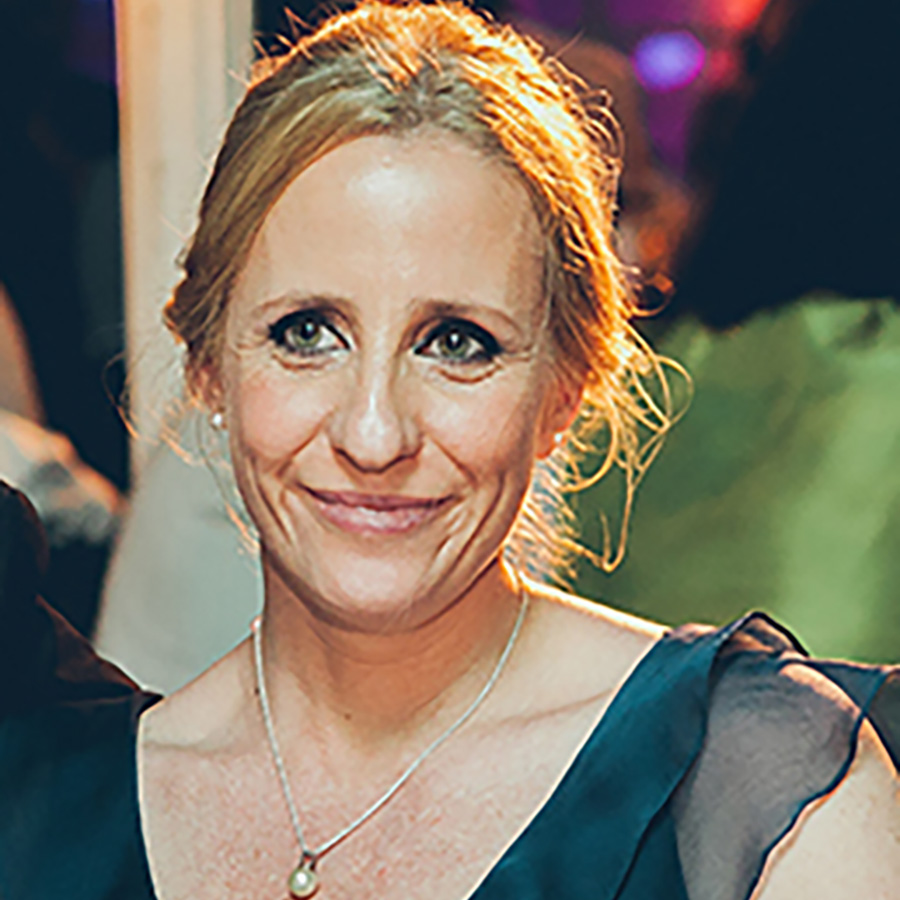
Catalina Freixas, MArch (Co-PI):
- Architecture and urban resilience researcher
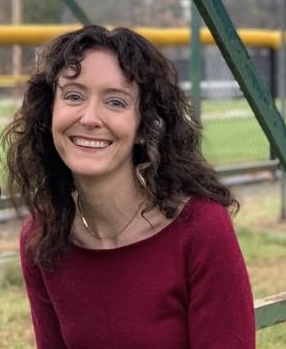
Lindsay Underhill, PhD:
- Environmental health & implementation science researcher
Our multidisciplinary team capitalizes on each member’s expertise and aims for their contributing members to cross-pollinate the joint research agenda with their individual research interests.
Requirements
Requirements:
- Strong work ethic: Takes initiative and follows through on research tasks independently
- Adaptability: Comfortable working across disciplines and adjusting to evolving project needs
- Research skills: Applies curiosity and critical thinking to collect, analyze, and interpret data
- Communication skills: Communicates clearly with team members and community partners
- Time management: Balances multiple responsibilities and meets agreed-upon deadlines
- Problem-solving skills: Anticipates challenges and proposes practical solutions
- Attention to detail: Carefully documents data, methods, and project materials
Experience or interest in learning:
- Workshop design and organization for public health and community engagement
- Human-centered design methods
- Data analysis (R preferred)
- GIS and spatial epidemiology
- Qualitative data collection and analysis
- Data visualization or presentation design