
Mallott Lab: Exposure to Pollutants and Pathogens and Impact on Health
Research Focus Our research group examines how exposure to pollutants and pathogens in the environment influence the gut microbiome, subsequently impacting health. Our work is part of the REACH Study (reachresearch.org) in collaboration with Theresa Gildner in Anthropology and Claire Masteller in Earth, Environmental and Planetary Sciences. The REACH Study investigates the environmental and biological exposure pathways through which […]

Bose Lab: Microbes and the Environment
Research Focus Our lab studies microbial metabolisms and their influence on biogeochemical cycling using an interdisciplinary approach. We apply the knowledge we gain to generate new ways of addressing issues such as the energy crisis, climate change, pollution, human health, sustainability and the circular economy. Each summer we create a vibrant international community of students ranging from high-school level […]

Giammar and Aquatic Chemistry Lab: Chemical Reactions in Aquatic Systems
Research Focus The Aquatic Chemistry Laboratory is focused on chemical reactions that affect the fate and transport of heavy metals, radionuclides, and other inorganic constituents in natural and engineering aquatic systems. Major research themes in the group are (1) drinking water treatment and supply, (2) environmental geochemistry of soil and groundwater, and (3) the environmental […]

Parker Lab: Chemical and Biological Contaminants in Environmental Systems
Research Focus Our research group is focused on (1) understanding the behavior of chemical and biological contaminants in environmental systems and (2) optimizing strategies to minimize the risk posed by these contaminants to human and ecosystem health. Some of our current projects include: Skills, Techniques, and Methods Students will primarily learn laboratory skills including preparing experimental materials, performing […]

Agarwal/CFD Lab: Energy Efficiency and Emissions Study of Sustainable Aviation Fuels for Green Aviation
Research Focus The aviation industry is known to be one of the major contributors to greenhouse gases accounting for 4.9% of the global greenhouse emissions. With the ever-increasing threat of climate change to the overall survival of the planet, the exploration of new technologies and alternative energy sources that minimize greenhouse gas emissions are of […]

Xu Atmospheric Chemistry Lab: Wildfires
Research Focus Wildfires pose severe threats to urban air quality. As a result of ongoing climate change and historical fire suppression practices, wildfires in North America became more intense, frequent, and widespread in the 2000s. These trends have significantly impacted urban air quality in the last two decades, offsetting some of the improvements from anthropogenic […]

Jun Lab: Harmful Algal Blooms (HABs)
Research Focus 1: Mitigating Harmful Algal Blooms through Mineral-Hydrogel Composites Harmful algal blooms (HABs), which can produce cyanobacterial toxins, degrade water quality, threaten public health, harm ecosytems, and impact the economic output of industries such as fisheries and tourism. One major contribution to HABs is nutrient pollution from anthropogenic activities. To address nutrient pollution, we […]

Wang Lab: Climate Events and Human Health
Research Focus One of the research directions in my lab is about climate events and human health. Climate change is a big challenge to public health. How to incorporate climate factors into ongoing and future environmental epidemiological cohorts is a critical issue. For summer 2024, we would like to host undergraduate students to do literature review, interviewing […]
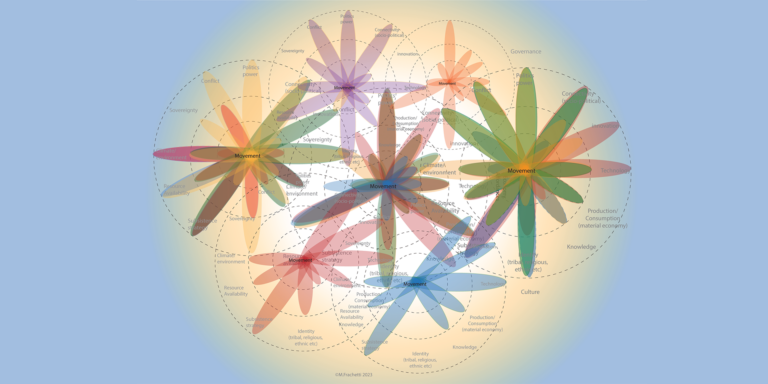
New tool to enable exploration of human-environment interactions
This universal device will allow transdisciplinary collaboration globally. Named for the dahlia flower whose petals bloom in concentric arrays, the dahliagram’s “petals” illustrate the relative impact of different pull and push factors contributing to human behavior over time.
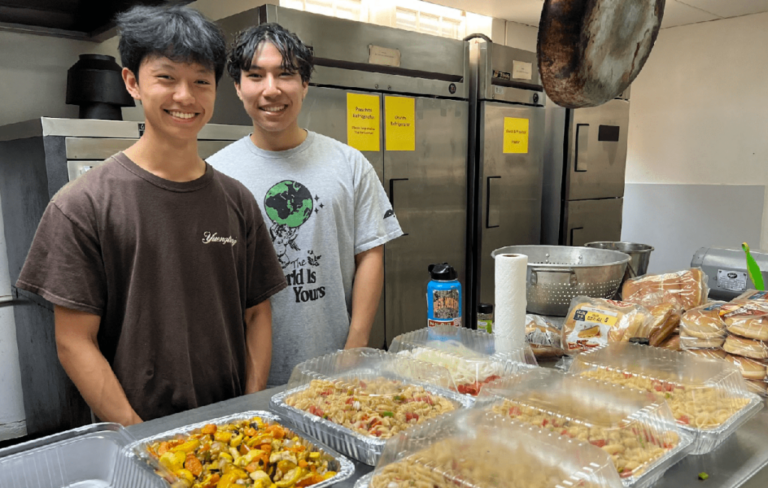
Student groups work to reduce food waste
In an effort to reduce food waste, two Washington University in St. Louis student groups have joined forces to distribute healthy, fresh food to local shelters and food banks.