A simple question brought together two separate areas of deep, complex expertise to advance critical research: does anyone at WashU research air quality?
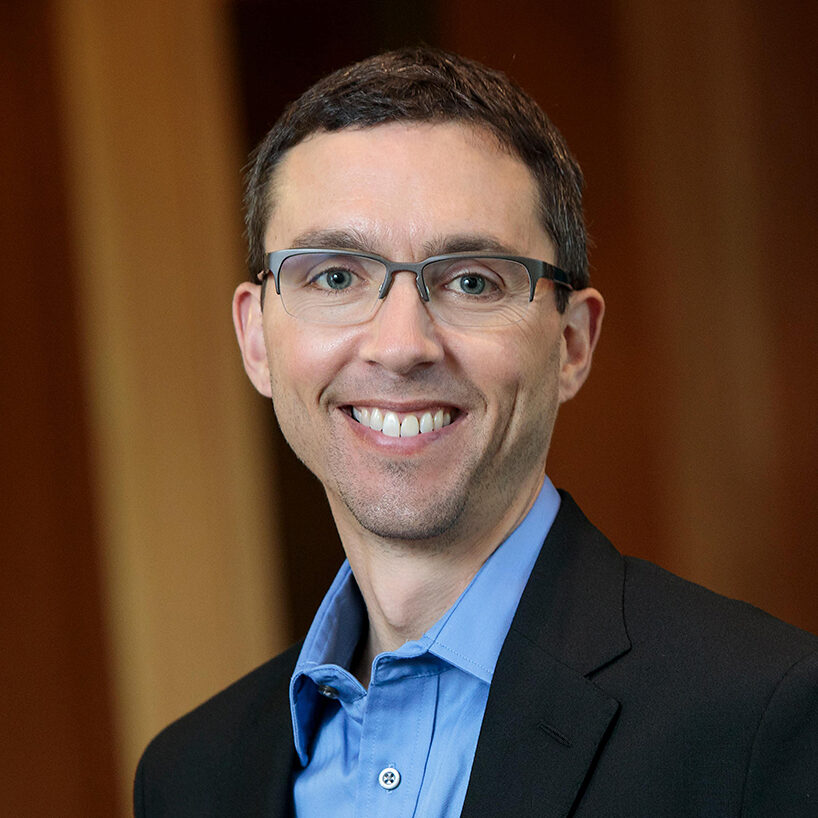
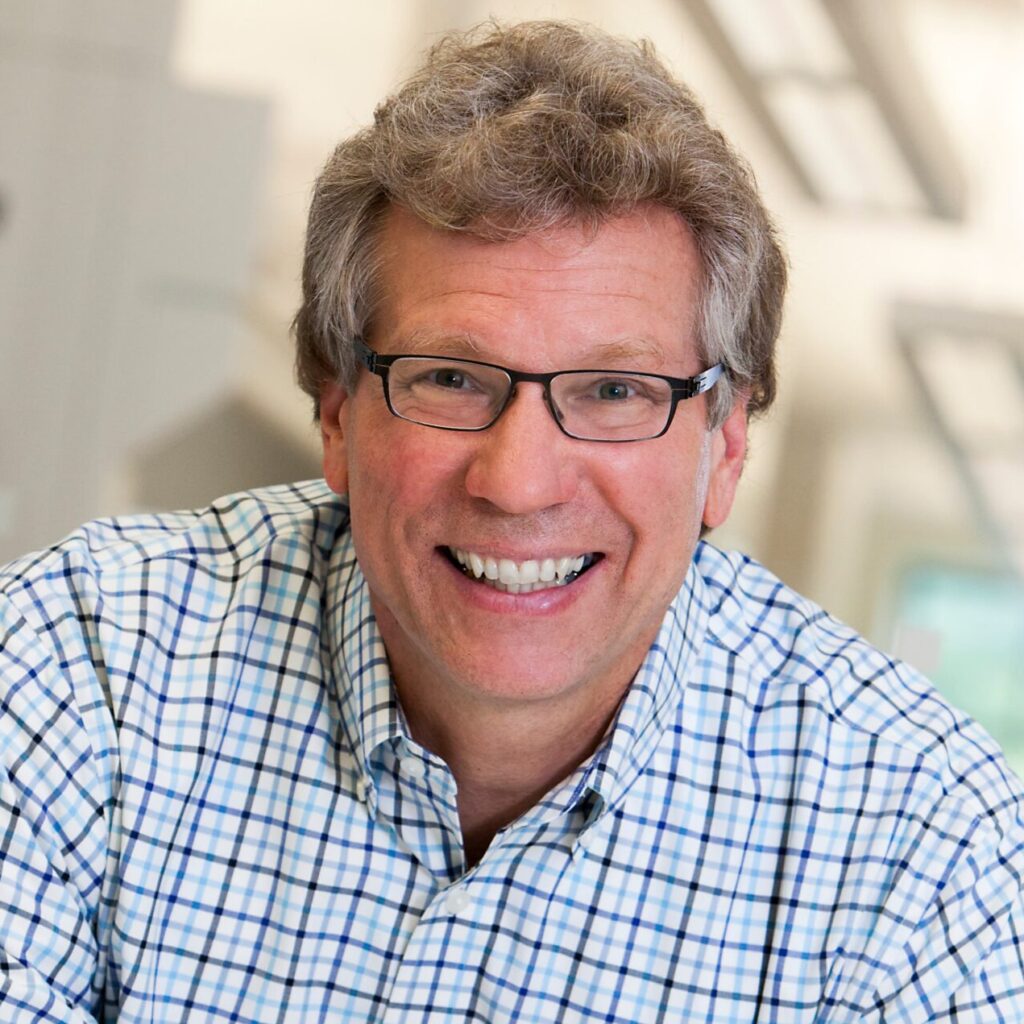
Across WashU, researchers have long studied different aspects of air quality and their impacts on human health. In the School of Medicine, cancer epidemiologists like Yin Cao, Professor of Surgery and Medicine, are working to understand why diseases such as cancer are increasingly diagnosed in younger populations, and how air quality may contribute. Victor Davila-Roman, Professor of Medicine and director of the Global Health Center, studies cardiovascular disease, including how air pollution affects heart health.
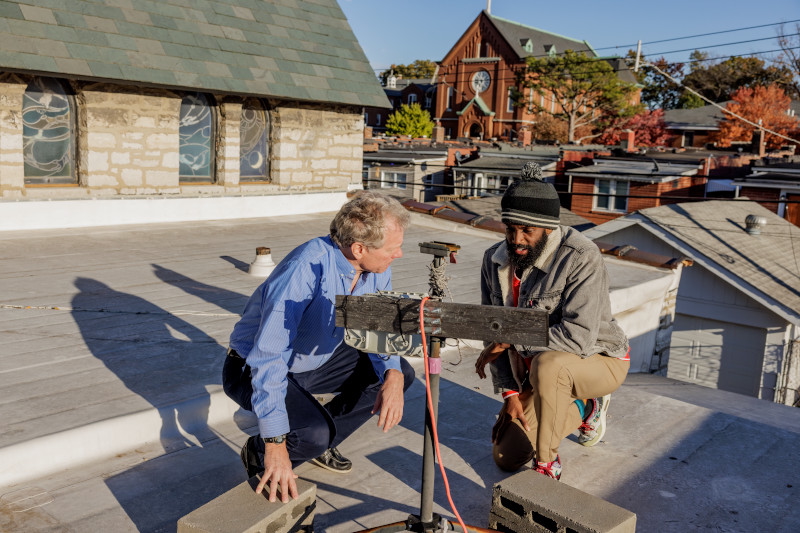
Meanwhile, researchers in the McKelvey School of Engineering are advancing world-class expertise in measuring and modeling air pollution, providing tools to understand environmental exposure.
These two closely related, yet inherently separate areas of expertise grew and developed in their respective fields and on their respective campuses – just 2 miles apart – unknowingly waiting to collaborate. These distinct communities of experts were largely unconnected and unaware of each other’s work. The need to bridge this gap became apparent in the Summer of 2023, when Cao asked whether anyone at WashU was researching air quality.

That line of questioning launched the Air Quality and Health Research Initiative, which began to bring these perspectives together, in part through efforts to develop a training grant focused on environmental health. The Air Quality and Health Research Initiative is part of the broader WashU Transcend Initiatives research seed grants program. Transcend Initiatives is an interdisciplinary, university-wide grant program that connects researchers to answer questions that cannot be answered alone. The Air Quality and Health Research Initiative was one of the first Transcend projects.
The Center for the Environment was a crucial connecting point in the creation of the Air Quality and Health Research Initiative. As a university-wide research accelerator, the Center works across disciplines to bring together faculty, students, and partners whose work might otherwise remain siloed. This matters because environmental challenges rarely fit neatly within a single field. Questions about air quality, for example, span engineering, public health, medicine, and beyond.
The Air Quality and Health Initiative combines many of the Center’s core research themes, including environmental justice, planetary health, and environmental solutions. While the initial idea and research team emerged organically, the Center played a major role in supporting the initiative’s creation. It organized meetings and programming to plan the initial proposal, and it also supported brainstorming for the proposal in collaboration with the WashU Research Development Office. This coordination proved critical: “Great ideas may emerge organically, but turning them into sustained interdisciplinary science requires structure,” Cao said. “Bringing the right people together and creating space for ideas to grow can be transformative.”
For many researchers, the challenge is not just making initial connections but sustaining them. Before joining the initiative, Jenna Ditto, assistant professor in Energy, Environmental & Chemical Engineering, often relied on cold outreach to connect with collaborators across campus. While those efforts were sometimes successful, they were difficult to maintain over time. The Air Quality and Health Research Initiative and the Center for the Environment provide a framework for ongoing interaction among these otherwise separated groups.
“Now we’re on the same email chain, we see the same opportunities, we’re brought into the same room,” Ditto explained. “There’s more continuity to keep those relationships up.” These touchpoints can help turn one-time interactions into sustained collaborations. For junior faculty, this collaborative infrastructure has an especially significant impact. “We’re in a critical time of growing and maintaining relationships,” Ditto said. As early-career researchers build their labs and define their research trajectories, access to interdisciplinary networks can shape their work. “Having this group of people and structure to interact with… is really helpful,” she explained. “We don’t necessarily have the benefit of having attended these types of things for many years.”


The initiative also creates opportunities beyond faculty collaboration. Graduate students and postdoctoral researchers gain exposure to a broader network of mentors and perspectives, particularly across physically separate campuses like engineering and medicine. “Especially with the medical school being on a different campus, we don’t just run into each other,” Ditto noted. “So having these spaces to connect is really valuable.” These connections make discoveries possible.
Engineering approaches to measuring air quality can now intersect with medical research on how environmental exposures interact with genetics, lifestyle, and disease progression. Together, these perspectives open pathways for understanding how air quality affects human health. However, these collaborations require intentional support, because without a structure to bring people together, many potential partnerships simply never take shape.
“This initiative wouldn’t exist without support from the Center for the Environment,” Cao noted.
While collaboration at WashU has long existed, the Center is helping to scale and sustain it. “With research accelerators… the barriers to meet others with similar interests have been lowered,” Davila-Roman said. In addition to convening researchers, the Center provides infrastructure and support that helps interdisciplinary ideas move forward.
Rather than relying on chance encounters or individual outreach, the Center creates a consistent, visible hub for environmental research across the university. For many of today’s most complex environmental challenges, the collaboration it fosters is indispensable.
Since the Center first connected these groups, it has remained a valuable actor in the Initiative. The Center has supported some of the Initiative’s workshops and provided website support. The Center provides research development support of collaborative grant proposals submitted by members of the Initiative. The Center also brought together a cohort of graduate students to assist on the project, co-assisted a post-doc, and hosted symposia. In addition, both Transcend and the Center boosted the visibility of the researchers’ work and sponsored the GEOS-Chem meeting in early June 2 years ago, which drew a crowd of 300 people to the WashU Campus.
Leadership Team
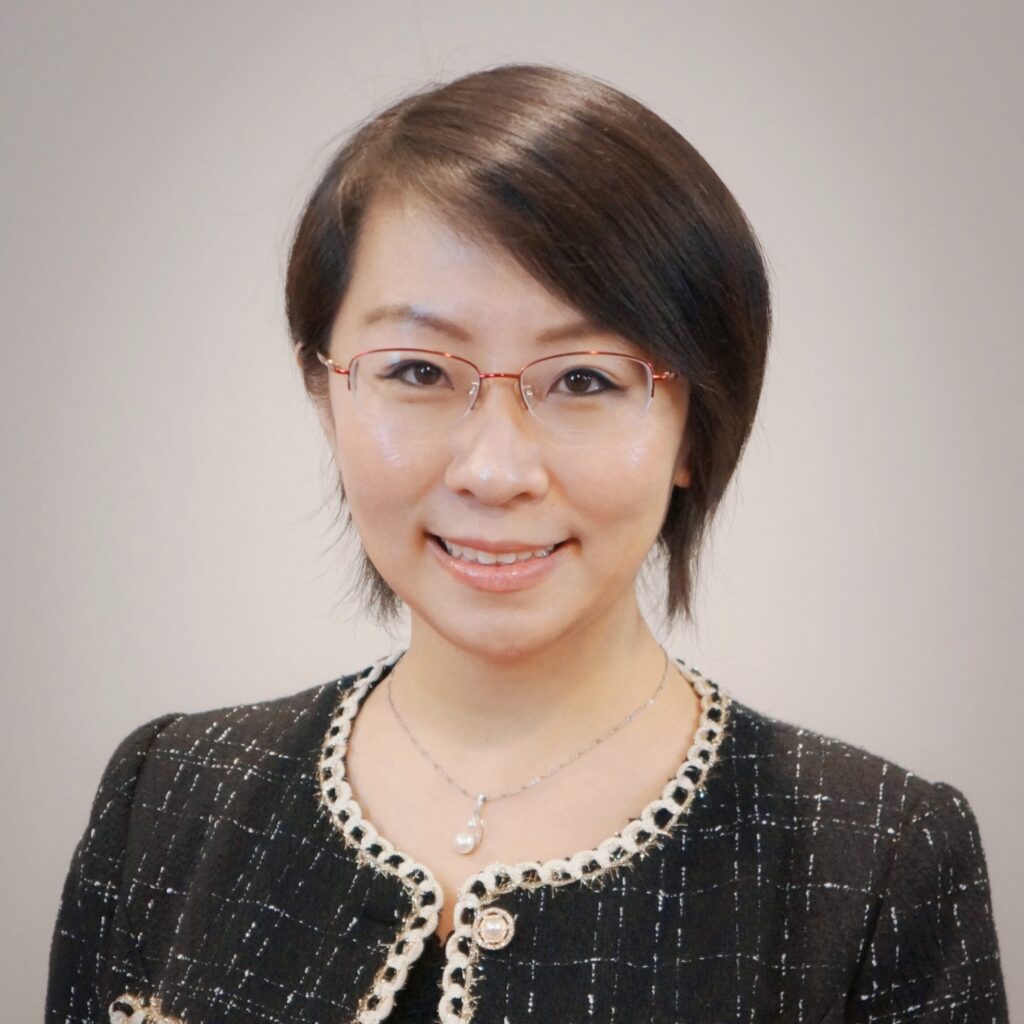
Yin Cao, School of Medicine
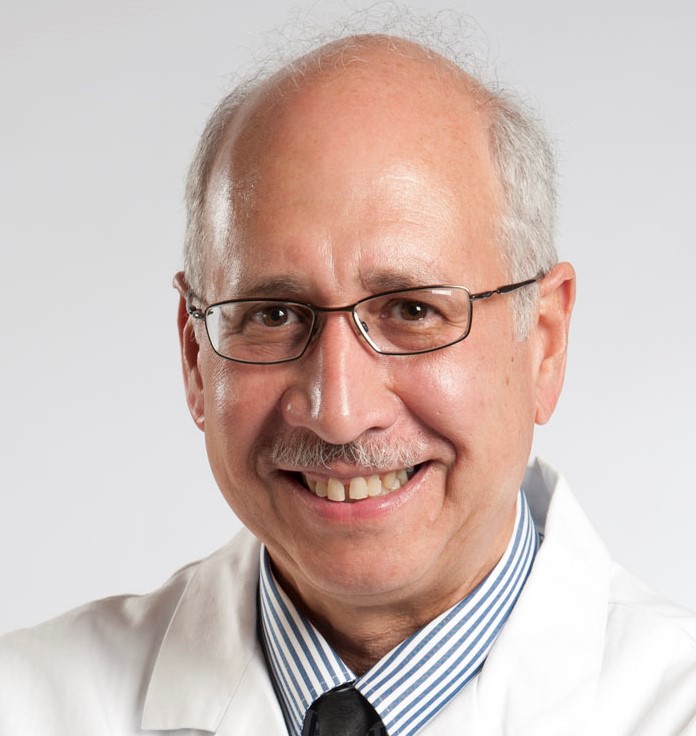
Victor G. Davila-Roman, School of Medicine