Research Focus
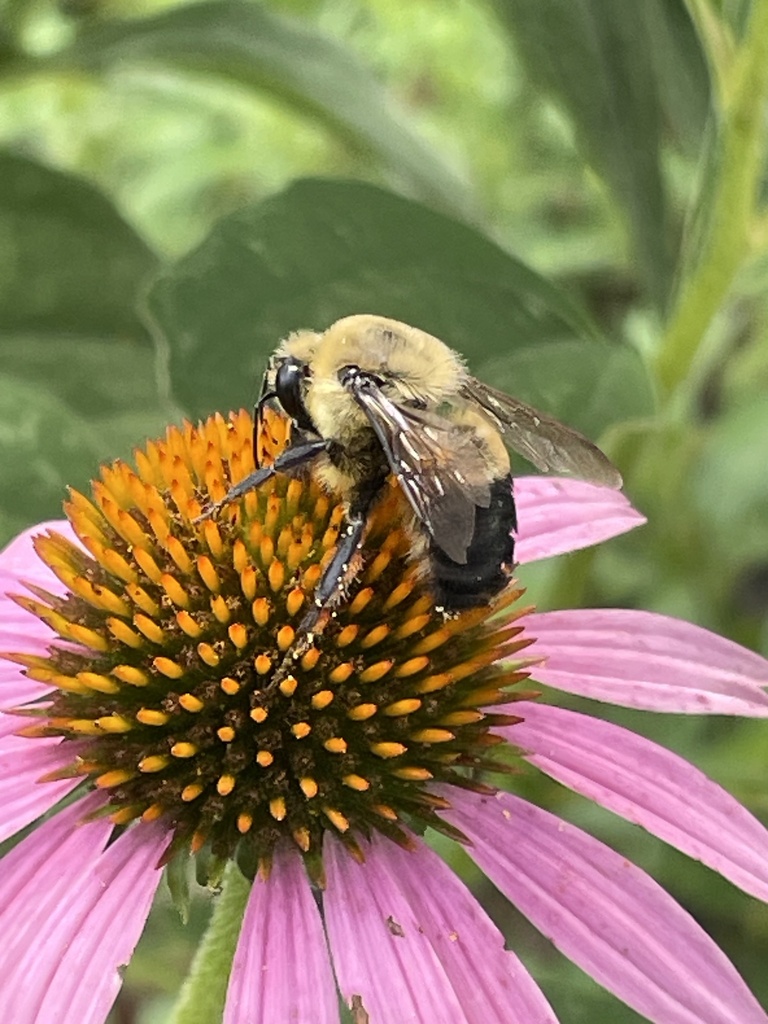
Develop machine learning and computer vision techniques to predict and understand when and where plants and their pollinators are active at the same time, across the continent and under a changing climate. The project explores how self-supervised and multi-modal learning can turn large, messy biodiversity and remote-sensing datasets into real predictive signals. Our main tool is a plant-phenology foundation model that combines citizen-science imagery, satellite data, and climate records to predict plant changes across the continent, including in places and years where we have no direct observations. The work sits at the intersection of computer vision, remote sensing, and ecology, with an emphasis on both methodological innovation and real impact for biodiversity monitoring and conservation. We work closely with domain experts, and the targeted outputs are a public software repository, a presentation, and a manuscript for academic publication.
Skills, Techniques, Methods
- Computer Vision
- Machine Learning
- Geospatial Data Processing
Research Conditions
The research will be conducted primarily in person in the Multimodal Vision Research Laboratory (MVRL) in McKelvey Hall. It will involve software development, dataset curation, training machine learning models, and model performance analysis.
Team Structure and Opportunities
The undergraduate fellow will work closely with a Ph.D. student mentor from MVRL, with weekly meetings with Nathan Jacobs and meetings every few weeks with our ecology collaborator. The fellow will be exposed to other Computer Vision research taking place in the lab through a weekly journal club and work-in-progress meeting.
Requirements
Python programming, machine learning, and prior experience working with remotely sensed data is helpful

Nathan Jacobs
jacobsn@wustl.edu